The Time Zone Advantage: How Savvy Australian Players Turn Geographic Position into a Strategic Edge
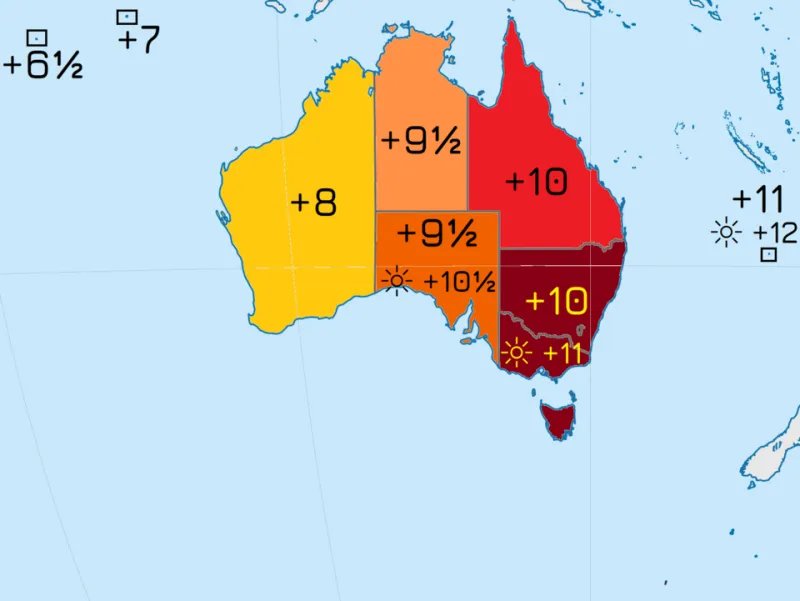
Photo: D000A, Responsible?, GFDL, via Wikimedia Commons
Ask most Australian online casino players whether their timezone gives them any particular advantage, and the honest answer is that few have considered the question carefully. The instinctive response tends to focus on inconvenience — international tournaments scheduled for European or American primetime, live dealer tables that run thin in the early hours, customer support windows that don't always align neatly with local hours. These frustrations are real. But they represent only one side of a more nuanced picture.
For players willing to think strategically about when they play, not just how they play, Australia's geographic position on the global clock creates a set of opportunities that are genuinely distinctive. This guide examines those opportunities with the practical detail they deserve.
Understanding the Australian Timezone Landscape
Before identifying strategic windows, it is worth establishing the baseline. Australia spans three main timezones: Australian Eastern Standard Time (AEST, UTC+10), Australian Central Standard Time (ACST, UTC+9:30), and Australian Western Standard Time (AWST, UTC+8). During daylight saving periods, the eastern states shift to AEDT (UTC+11), widening the gap with Europe and narrowing it slightly with parts of Asia.
For the purposes of online gaming strategy, players in Sydney, Melbourne, and Brisbane operate from the most advantageous position — furthest ahead of the major European and American player bases, and closely aligned with the Asian gaming market, which operates on a broadly similar schedule.
This positioning means that Australian primetime — roughly 7pm to midnight AEST — overlaps with the Asian afternoon and early evening, while European players are largely asleep and American players are in their morning hours. It is a window with specific characteristics that informed players can exploit.
Live Dealer Tables: Reading the Traffic
Live dealer games operate on a 24-hour basis at premium platforms, but the experience is not uniform across all hours. During peak European and American windows, popular tables — particularly live blackjack, baccarat, and roulette — attract significant traffic. Table limits tighten at the lower end as platforms allocate more seats to meet demand, and the pacing of games can quicken as dealers manage fuller tables.
For Australian players operating in their evening hours, the dynamic is markedly different. European traffic is minimal, American players are still asleep or at work, and the primary active base is Asian and Australian. This creates several practical advantages.
First, premium tables with higher minimum bets — which can deter less committed players during peak periods — are more accessible during these windows. Second, the overall pace of play tends to be more measured, which suits players who prefer a considered approach rather than a rapid-fire session. Third, and perhaps most practically, the availability of preferred table variants is generally higher; there is less competition for specific seats at specific limits.
For baccarat players in particular, the Australian evening aligns almost perfectly with the most active period for Asian baccarat enthusiasts — a player base with a sophisticated relationship with the game and a tendency toward higher-stakes engagement that can make for a more interesting table dynamic.
Poker Tournaments: Working Around the Schedule
International online poker tournament scheduling is one area where Australian players have historically felt the timezone friction most acutely. Major MTTs (multi-table tournaments) run by European and American platforms are frequently scheduled for their respective primetime windows, which lands squarely in Australian late night or early morning.
There are two ways to approach this. The first is to treat it as a filter: only the most motivated, disciplined Australian players will commit to a 2am start for a significant tournament, which means the field is self-selected in a particular way. Players who have prepared thoroughly, who are not fatigued by a full day of casual play, and who have specifically arranged their schedule around the event are likely to bring a sharper focus than those participating at a more convenient hour.
The second approach is to shift focus toward platforms and tournament formats that cater explicitly to the Asian and Pacific timezone. Scheduled events running through the Australian afternoon and early evening — roughly 2pm to 8pm AEST — attract fields that are meaningfully different in composition from European or American primetime tournaments. Familiarity with these fields, built through consistent participation, is itself a strategic asset.
Slots and RNG Games: When Volume Meets Availability
For slots and other RNG-based games, the timezone question is somewhat different. These games do not involve other players in any direct sense, so traffic levels do not affect gameplay mechanics. However, there are indirect considerations worth noting.
Promotion timing is one. Many platforms schedule bonus drops, free spin offers, and limited-time promotions around their primary market's timezone. Australian players who monitor these schedules can position themselves to claim offers during lower-competition windows — particularly relevant for first-come, first-served promotions where availability is capped.
Progressive jackpot behaviour is another area of interest, though it should be approached with appropriate scepticism. While the mechanics of progressive jackpots are determined by RNG systems rather than time of day, the rate at which jackpots are contributed to does vary with player volume. During lower-traffic windows, contribution rates slow — meaning jackpots that have been building during a European or American peak period may sit at elevated values when Australian evening play begins. This is not a reliable strategic lever, but it is a factor worth being aware of.
Building a Personal Playing Schedule
The practical takeaway from all of this is that timing is a dimension of online gaming strategy that Australian players are well-positioned to optimise, but rarely do systematically. A considered approach begins with identifying which game types you prioritise, understanding the traffic patterns relevant to those games, and then structuring your sessions accordingly.
For live dealer enthusiasts, the 7pm to midnight AEST window offers the combination of table availability, considered pacing, and alignment with the Asian market that suits premium play. For poker players, the choice between late-night international events and Pacific-timezone focused tournaments is worth making deliberately rather than defaulting to one or the other. For promotion-aware players, monitoring offer schedules and positioning for lower-competition claim windows is a straightforward discipline that costs nothing to adopt.
At SkyCrown Casino, the platform operates continuously to serve Australian players at every hour — but the players who extract the most from that availability are those who approach it with the same strategic clarity they bring to the games themselves. Your timezone is not an obstacle to work around. In the right hands, it is one of the more underappreciated advantages available to the informed Australian player.